







New Epstein Files Release Includes President Donald Trump Mentions. So What?
This tactic is not new, and it is not accidental.
There is no dispute about who Jeffrey Epstein was. He was a convicted sex offender who operated within elite social circles, routinely arranging introductions between powerful figures in politics, business, and academia in the United States, Britain, Israel, and beyond. Some of the women connected to him were underage, and for that, Epstein was rightly prosecuted and condemned.
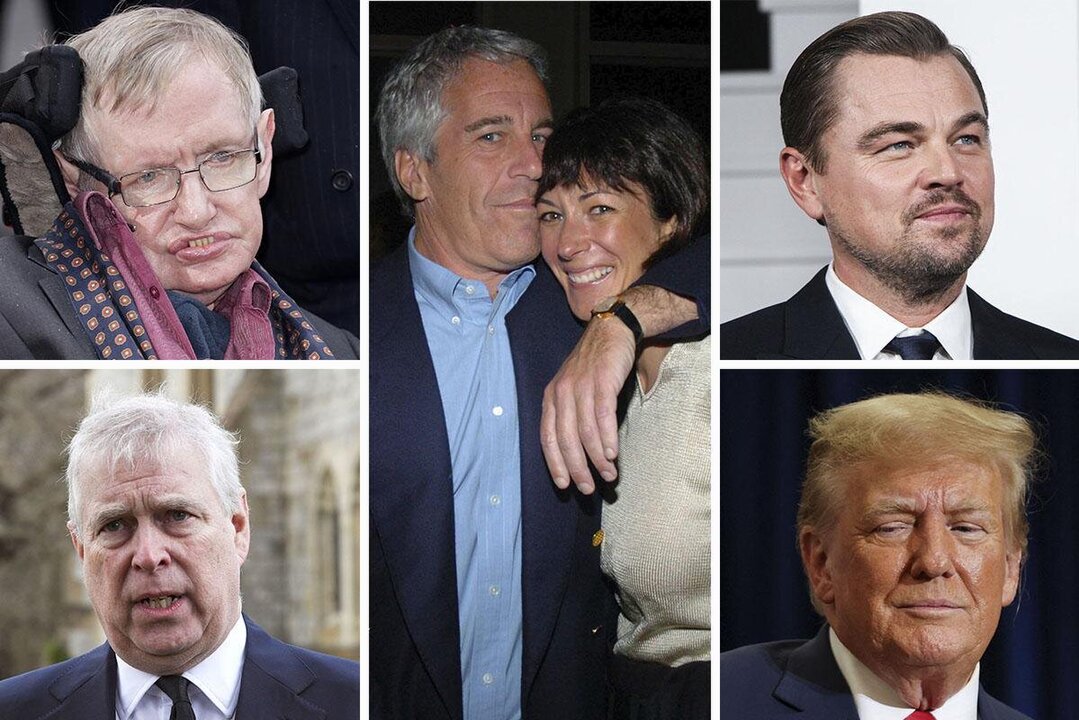
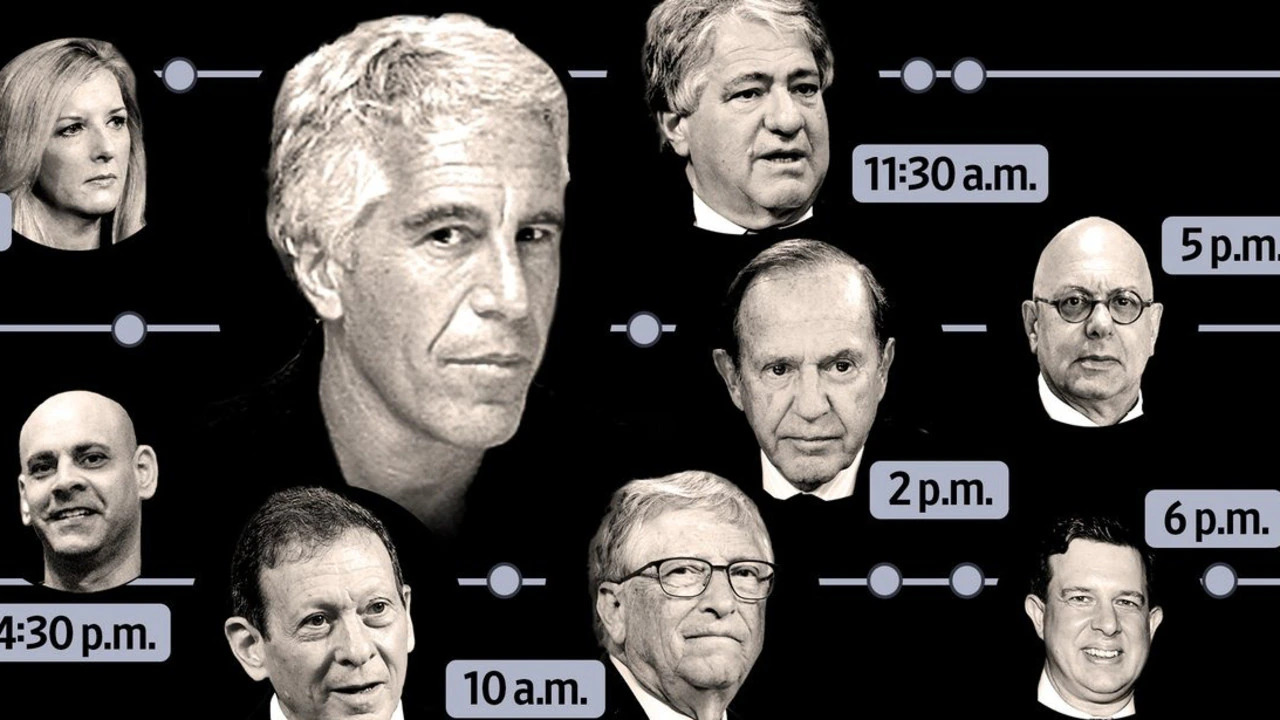
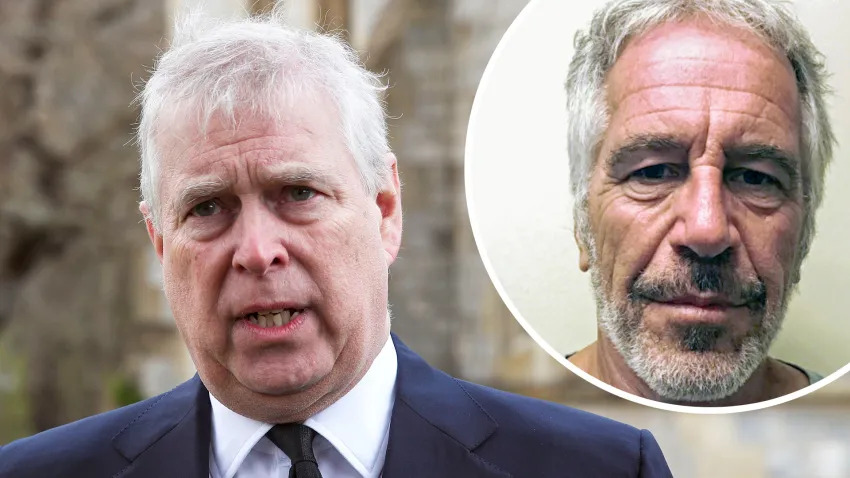
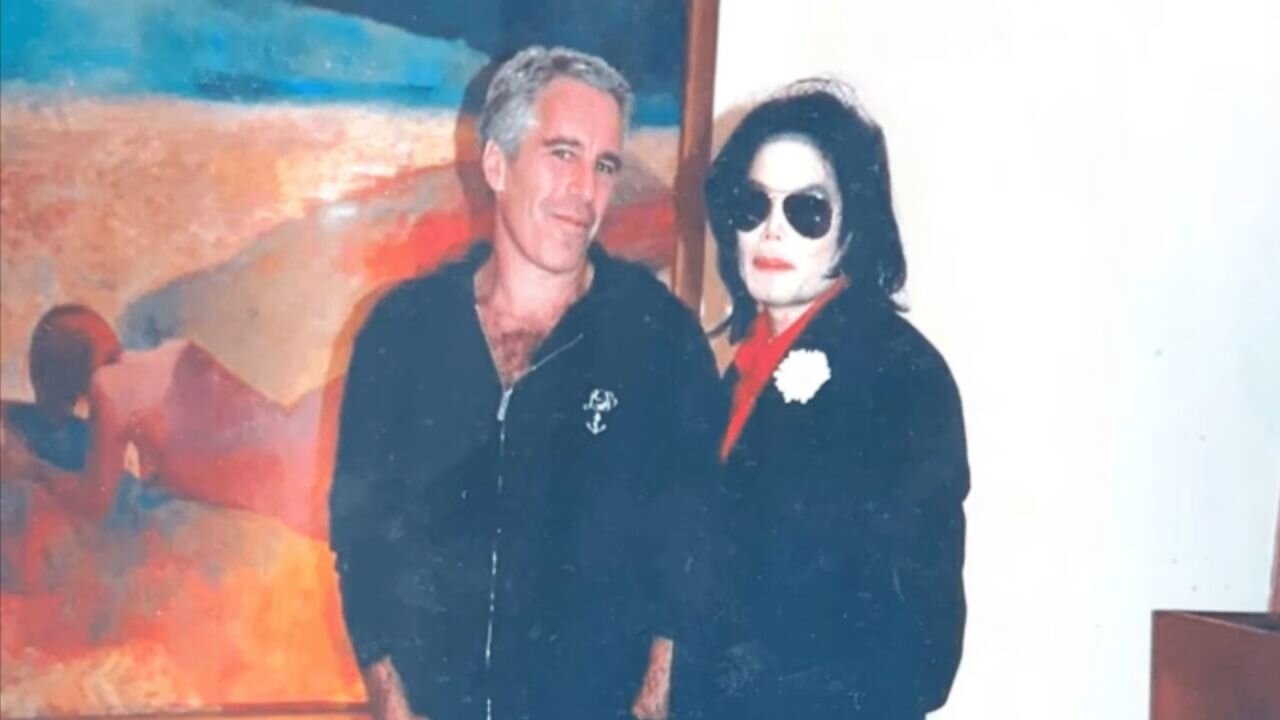
Epstein was also extraordinarily wealthy and lived a life of excess that attracted an astonishing list of influential people: former U.S. president Bill Clinton, Britain’s Prince Andrew, former Israeli prime minister Ehud Barak, senior business figures such as Bill Gates, prominent academics including former Harvard president Larry Summers, and many others at the top of global power structures. This was not an underground network; it was elite society operating in plain sight.
The central question, however, is not whether these individuals were present in Epstein’s orbit, photographed with him, or socialized in his company. The only question that matters is whether they committed crimes.
And this is where the media deliberately blurs a line that must not be blurred.
There is a fundamental and non-negotiable distinction between a moral failing and a criminal act. Accusing a senior public figure of infidelity is an accusation of moral wrongdoing. Betraying one’s spouse is ethically objectionable and often deeply hurtful. But it is not a crime. Accusing a public figure of engaging in sexual acts with a minor, by contrast, is an allegation of criminal behavior of the most serious, abhorrent, and condemnable kind.
Conflating the two is not merely sloppy journalism. It is a form of manipulation.
We live, for better or worse, in a society where leaders and members of the global elite sometimes betray their spouses. This is not unique to men, nor to any political ideology. It is an unfortunate but well-known reality of human weakness. For precisely this reason, such conduct has traditionally been treated — rightly — as part of private life. A press that respects its role does not criminalize consensual adult sexual behavior or turn it into a public spectacle.
What should concern the public is not whether someone was near Epstein, nor whether they engaged in consensual sexual relations with an adult woman who chose, of her own free will, to be there — even if those arrangements were facilitated by Epstein under the guise of “massage” services. The only question that justifies outrage, investigation, and condemnation is whether there is evidence of illegal, abusive, and morally repugnant sexual acts involving minors.
And despite the public appetite for scandal, humiliation, and moral theater, such evidence does not exist for the overwhelming majority of those whose names appear in proximity to Epstein. The most explosive documents and leaks released so far do not demonstrate that most of these individuals engaged in illegal sexual activity, let alone sexual acts with minors. At most, they suggest social relationships, introductions, or adult sexual encounters that may raise moral questions — but not criminal ones.
The mainstream media collapses these distinctions by design. It presents two separate facts — first, that Epstein was a sex offender, and second, that he socialized with powerful people — as if one automatically proves the other. It does not.
This is insinuation by association, not evidence.
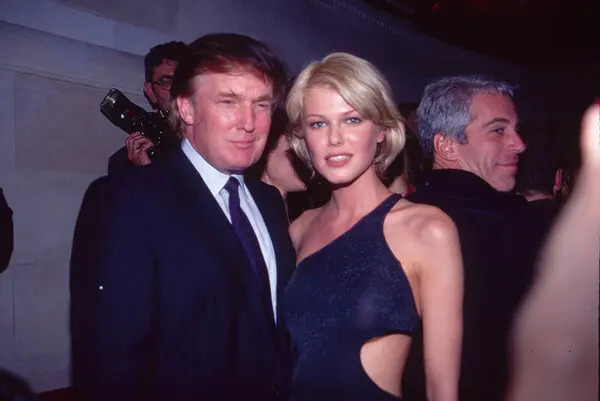
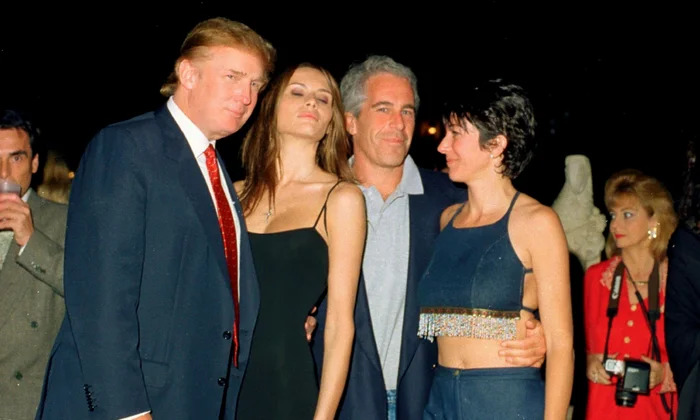
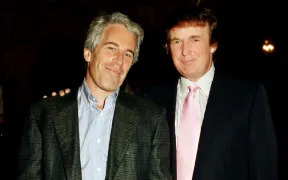
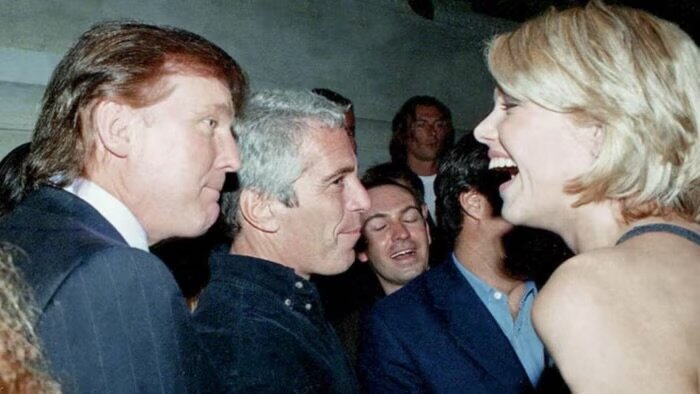
Accusing someone of sexual crimes against minors is among the gravest allegations imaginable. Such accusations must never be inferred, implied, or suggested without concrete proof. Yet this is exactly what is happening, particularly when the target is Donald Trump. Mentions, photographs, or social proximity are weaponized to imply guilt where none has been demonstrated.
A simple comparison exposes the absurdity. Not everyone who maintained legitimate business or social relationships with Bernie Madoff was a fraudster. Likewise, not everyone who socialized with Jeffrey Epstein was a sex criminal. Some may have been — but guilt cannot be assigned by proximity alone.
At the time Epstein moved freely among elites, he was widely perceived as a successful financier, a generous host, and a well-connected social operator. Many people across politics, business, academia, and royalty were happy to be seen in his company. That fact alone proves nothing beyond the superficial realities of elite social life.
Paid sex between consenting adults may represent a moral flaw. If that standard alone were grounds for public execution, it is doubtful whether any global elite — political, corporate, or media — would survive intact. This is an uncomfortable truth, and one that many senior journalists themselves likely understand all too well from their own private lives.
Journalism has a duty to distinguish between documented crimes and insinuation, between evidence and implication. When it fails to do so, it does not expose wrongdoing — it manufactures suspicion.
And suspicion, untethered from proof, is not accountability.
It is manipulation.