Golden Walls, Empty Coffers: The Unimaginable Financial Crisis Engulfing the Vatican
The Vatican is facing a severe financial crisis, marked by a growing deficit and a pension fund burdened with nearly $2 billion in unfunded liabilities. Pope Francis tried to fix the situation through reforms and transparency, but faced strong internal resistance. Now the challenge passes to his successor, Leo XIV, who may need to introduce a dose of capitalism into holy affairs.
In the final weeks of his life, Pope Francis focused on leaving a clean slate for his successor. Sitting in his modest office, advisors came in one by one to present a grim financial portrait: the Vatican was sinking deeper into a paralyzing deficit, and its pension fund was burdened with $2 billion in obligations it could not meet.
After a month of deliberations, growing weaker each day, Francis settled on one immediate solution: ask the faithful for more money. On February 11, he signed a chirograph—a papal directive—calling for increased donations. Three days later, he was hospitalized with double pneumonia. He died on April 21.
A Crisis Hidden Behind Walls of Secrecy
The Vatican is one of the most secretive bureaucracies in the world, and no one truly knows how it operates financially. Pope Francis tried to bring a degree of transparency, but he died knowing he had not succeeded in reforming a culture that preaches humility but struggles to practice it in the real world.
Francis urged clergy to live modestly, slashed the salaries of the church’s 250 cardinals three times, and in early 2023 announced an end to subsidized housing for Vatican officials. But these were symbolic steps in the face of mounting debt. The city-state welcomes seven million visitors each year, yet collects no taxes. It increasingly relied on museum ticket sales to fund its public services, global diplomatic network, and the Swiss Guard—its small army, sustained in part by pensions.
Last week, The Wall Street Journal published an investigative report on the Vatican’s financial state. The three journalists involved revealed just how difficult it is to pierce the secrecy of one of the most opaque institutions in the world. They met, in some cases in secret, with officials from the Vatican Bank, the pension fund, and cardinals who participated in last week’s conclave. A senior Vatican finance official refused to speak unless assured the reporters were not secretly recording—claiming a cardinal once on trial for embezzlement had secretly recorded the Pope himself.
Reforms and Resistance
Elected in 2013 with a partial mandate to clean up Vatican finances, Pope Francis immediately convened a panel of cardinals from around the world for advice. An internal report warned the new Pope that the pension fund was in trouble. A third of its assets were poorly tied up in real estate, employees weren’t contributing enough, and the fund faced €1.5 billion in obligations it couldn’t fulfill — a figure that has since ballooned, with no major reform in sight.
Francis didn’t anticipate the level of resistance awaiting him. He created a new secretariat for managing Vatican finances and appointed Jean-Baptiste de Franssu, a former CEO of Invesco Europe, to lead the Vatican Bank. Thousands of accounts were closed, and clients suspected of using the Vatican for money laundering and tax evasion were purged. The Pope also appointed a professional auditor to modernize accounting — prompting clergy to move Vatican funds to private accounts and hoard cash in shopping bags.
Auditor Libero Milone, an Italian, was shocked to find nuns using pencil and paper to keep books. His office was even broken into. Milone’s team organized training sessions for clergy, who resisted new rules like requiring approvals for large expenses. Some priests hid funds and argued that financial scrutiny could endanger missionaries working in countries where proselytizing is illegal.
A Church Drowning in Hidden Wealth
Most Vatican departments simply ignored the modern challenge of balancing the papal state's budget. Over time, Pope Francis turned his attention elsewhere, while the pension fund continued to fall behind. Two years ago, a scandal involving a $400 million real estate deal ended with a cardinal convicted of embezzlement and fraud.
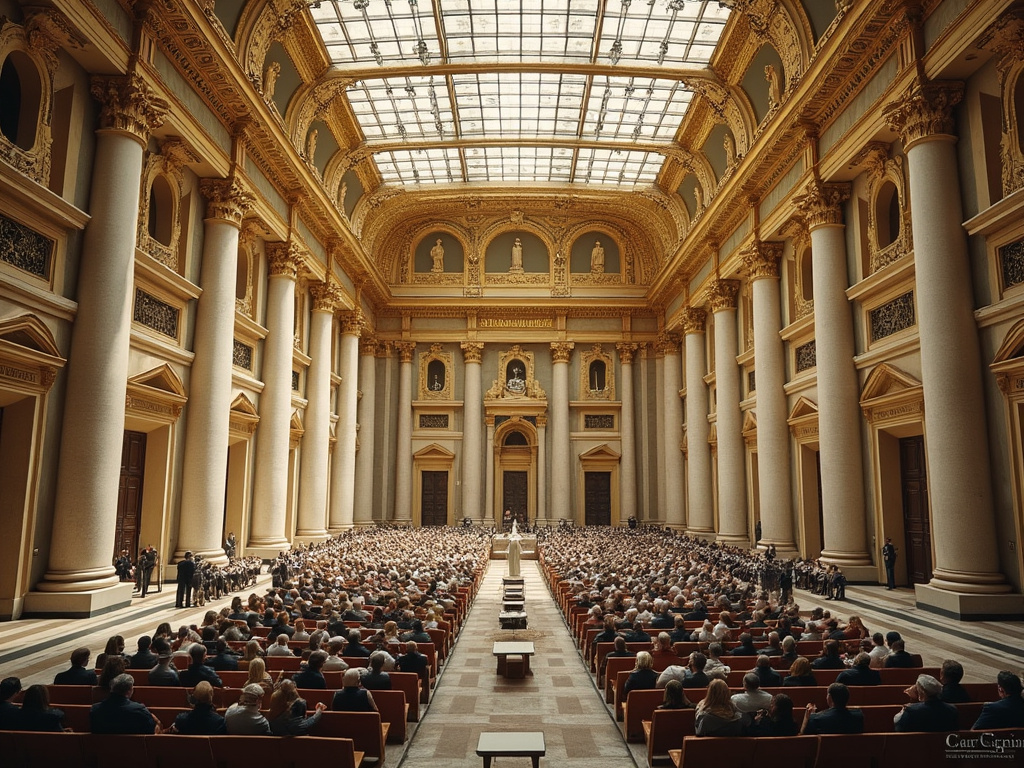
The deeper concern is the Vatican’s contradictory status — a microstate both cash-poor and asset-rich. The Vatican Museums house priceless masterpieces. Over a million rare books, including some of the earliest manuscripts of the Old and New Testaments in Greek, are stored under the stunning ceilings of the Vatican Library. But this vast wealth is untouchable. There is no plan to sell any of it. The museum catalog lists the Sistine Chapel and other treasures at a symbolic value of one euro each, declaring them beyond monetary value. It’s ethically sound — but maintaining and insuring these items costs a fortune.
A Crisis for the New Pope
The result is a tiny nation with unimaginable wealth that can’t meet basic operating costs without running a dangerous deficit. It has one of the highest proportions of finance professionals among its citizens, yet its budget is controlled by clergy more familiar with the New Testament than with debit and credit.
The workforce consists largely of unmarried individuals with no spouses or dependents, but in November, Francis warned that the pension fund would not be able to meet its commitments “in the medium term.”
“This is an emergency,” Ed Condon, editor of the Catholic news site The Pillar, told The Wall Street Journal. “Some very, very unpleasant decisions will have to be made.” All those decisions now fall to Leo XIV — a baseball-loving Pope with a mathematics degree from Villanova University — who may need to inject a little ruthless capitalism into his holy compassion.
After a month of deliberations, growing weaker each day, Francis settled on one immediate solution: ask the faithful for more money. On February 11, he signed a chirograph—a papal directive—calling for increased donations. Three days later, he was hospitalized with double pneumonia. He died on April 21.
A Crisis Hidden Behind Walls of Secrecy
The Vatican is one of the most secretive bureaucracies in the world, and no one truly knows how it operates financially. Pope Francis tried to bring a degree of transparency, but he died knowing he had not succeeded in reforming a culture that preaches humility but struggles to practice it in the real world.
Francis urged clergy to live modestly, slashed the salaries of the church’s 250 cardinals three times, and in early 2023 announced an end to subsidized housing for Vatican officials. But these were symbolic steps in the face of mounting debt. The city-state welcomes seven million visitors each year, yet collects no taxes. It increasingly relied on museum ticket sales to fund its public services, global diplomatic network, and the Swiss Guard—its small army, sustained in part by pensions.
Last week, The Wall Street Journal published an investigative report on the Vatican’s financial state. The three journalists involved revealed just how difficult it is to pierce the secrecy of one of the most opaque institutions in the world. They met, in some cases in secret, with officials from the Vatican Bank, the pension fund, and cardinals who participated in last week’s conclave. A senior Vatican finance official refused to speak unless assured the reporters were not secretly recording—claiming a cardinal once on trial for embezzlement had secretly recorded the Pope himself.
Reforms and Resistance
Elected in 2013 with a partial mandate to clean up Vatican finances, Pope Francis immediately convened a panel of cardinals from around the world for advice. An internal report warned the new Pope that the pension fund was in trouble. A third of its assets were poorly tied up in real estate, employees weren’t contributing enough, and the fund faced €1.5 billion in obligations it couldn’t fulfill — a figure that has since ballooned, with no major reform in sight.
Francis didn’t anticipate the level of resistance awaiting him. He created a new secretariat for managing Vatican finances and appointed Jean-Baptiste de Franssu, a former CEO of Invesco Europe, to lead the Vatican Bank. Thousands of accounts were closed, and clients suspected of using the Vatican for money laundering and tax evasion were purged. The Pope also appointed a professional auditor to modernize accounting — prompting clergy to move Vatican funds to private accounts and hoard cash in shopping bags.
Auditor Libero Milone, an Italian, was shocked to find nuns using pencil and paper to keep books. His office was even broken into. Milone’s team organized training sessions for clergy, who resisted new rules like requiring approvals for large expenses. Some priests hid funds and argued that financial scrutiny could endanger missionaries working in countries where proselytizing is illegal.
A Church Drowning in Hidden Wealth
Most Vatican departments simply ignored the modern challenge of balancing the papal state's budget. Over time, Pope Francis turned his attention elsewhere, while the pension fund continued to fall behind. Two years ago, a scandal involving a $400 million real estate deal ended with a cardinal convicted of embezzlement and fraud.
The deeper concern is the Vatican’s contradictory status — a microstate both cash-poor and asset-rich. The Vatican Museums house priceless masterpieces. Over a million rare books, including some of the earliest manuscripts of the Old and New Testaments in Greek, are stored under the stunning ceilings of the Vatican Library. But this vast wealth is untouchable. There is no plan to sell any of it. The museum catalog lists the Sistine Chapel and other treasures at a symbolic value of one euro each, declaring them beyond monetary value. It’s ethically sound — but maintaining and insuring these items costs a fortune.
A Crisis for the New Pope
The result is a tiny nation with unimaginable wealth that can’t meet basic operating costs without running a dangerous deficit. It has one of the highest proportions of finance professionals among its citizens, yet its budget is controlled by clergy more familiar with the New Testament than with debit and credit.
The workforce consists largely of unmarried individuals with no spouses or dependents, but in November, Francis warned that the pension fund would not be able to meet its commitments “in the medium term.”
“This is an emergency,” Ed Condon, editor of the Catholic news site The Pillar, told The Wall Street Journal. “Some very, very unpleasant decisions will have to be made.” All those decisions now fall to Leo XIV — a baseball-loving Pope with a mathematics degree from Villanova University — who may need to inject a little ruthless capitalism into his holy compassion.